
 Nutrition
  Diet Plans
  Fitness
  Psychology
  Science Explained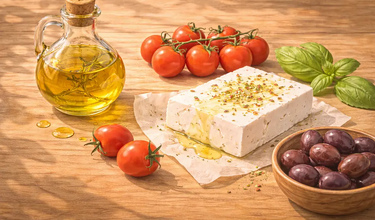
Unlike most diet trends, the Mediterranean diet wasn't invented to sell books or quick weight-loss schemes. It evolved naturally and became one of the...
 Mediterranean
January 22, 2026
What the Mediterranean Diet Actually Is (And Isn’t)
Table of Contents
- What Does Science Say About It
- The Core Principles (SashaHealthy Style)
- How to Build a Mediterranean Plate in 10 Seconds
- What a Mediterranean Day Might Look Like
- Common Myths About the Mediterranean Diet
- How to Start (Without Throwing Out Your Pantry)
- Who the Mediterranean Diet Works Well For
- The SashaHealthy Take
Most people picture Instagram plates with feta, olives and a random basil leaf. Cute, but shallow.
At its core, the Mediterranean pattern is about:
Lots of plants
Vegetables, fruit, beans, lentils, chickpeas, nuts, seeds, whole grains.
Healthy fats, mainly from olive oil
Plus olives, nuts, seeds, sometimes avocado.
Regular but moderate animal products
- Fish and seafood: often
- Poultry, eggs, yogurt and cheese: in moderation
- Red meat and processed meat: rarely, not never
Very little ultra-processed food
Not zero, but way less packaged snacks, sugary drinks, “diet” products.
And the non-food part, which people love забывать:
- Eating with others
- Walking a lot in daily life
- Managing stress (not perfectly, but better than doom-scrolling at 1 a.m.)
What it’s not:
- A zero-carb diet
- A rule that says “you must drink wine every day”
- A licence to drown everything in olive oil and call it “healthy”
Think of it less as a list of allowed foods and more as a pattern: mostly plants, simple ingredients, cooked in ways your grandmother would recognise.
What Does Science Say About It?
Short version: a lot of good things.
Long version in human language:
- People who eat in a Mediterranean pattern have lower risk of heart disease and stroke, especially when olive oil and nuts replace saturated fats.
- It’s linked to better blood sugar control and a lower risk of type 2 diabetes.
- There’s growing evidence for better brain health – slower cognitive decline, lower risk of Alzheimer’s in some studies.
- It’s one of the few eating patterns that shows both health benefits and decent adherence over years, not just weeks.
Key phrase: over years.
A diet is only “healthy” if you can live with it.
The Core Principles (SashaHealthy Style)
Let’s strip it down to something you can actually use:
- Plants get VIP status
Every meal asks: “Where are my vegetables?”
Salads, roasted veggies, soups, stews, beans – half the plate is plant kingdom. - Olive oil is your default fat
Not the only one, but the main one. You cook with it, dress your salads with it, drizzle a tiny bit on soup instead of adding cream. - Protein isn’t just meat
Beans, lentils, chickpeas, tofu, fish, eggs, yogurt, cheese – all in rotation.
Red meat? Sometimes. Not the star of every dinner. - Carbs are whole and slow
Wholegrain bread, oats, barley, bulgur, brown rice, potatoes with skin.
White bread and sugary stuff show up, but not as the base of the pyramid. - Sweets are treats, not coping mechanisms
Fruit is everyday sweet. Cakes, pastries and ice cream are “sometimes fun”, not “daily survival”. - Wine is optional, not a prescription
If you don’t drink – keep it that way. If you do, think 1 small glass with food, not Netflix + bottle.
How to Build a Mediterranean Plate in 10 Seconds
Next time you look at your plate, use this quick scan:
- Half: vegetables (raw, cooked, roasted, grilled – anything)
- Quarter: protein (fish, beans, lentils, tofu, eggs, yogurt, cheese, chicken)
- Quarter: whole grains or potatoes
- Plus: a drizzle of olive oil, some herbs, maybe a bit of cheese or nuts
If you hit roughly that balance, you’re “Mediterranean enough” for the day. No one is checking your oregano levels.
What a Mediterranean Day Might Look Like
Not as a rule. Just as a vibe.
Breakfast
Greek yogurt with oats, berries, nuts and a drizzle of honey
or
Wholegrain toast with olive oil, tomato, a slice of cheese and some fruit on the side
Lunch
Big salad with mixed greens, tomatoes, cucumber, chickpeas or lentils, olives, a little feta, olive oil + lemon dressing
- a piece of wholegrain bread
Snack
A handful of nuts
or fruit with a small piece of cheese
Dinner
Baked fish with herbs and lemon
- Roasted vegetables (zucchini, peppers, onions)
- A scoop of brown rice or potatoes
Glass of water or tea; maybe a small glass of wine if you drink
Again, this is a pattern, not a script. You don’t fail the Mediterranean exam if you eat pasta with tomato sauce two nights in a row.
Common Myths About the Mediterranean Diet
“It’s just lots of pasta and bread.”
Nope.
Traditional versions are actually high in vegetables and legumes, with pasta and bread coming in smaller, often wholegrain portions and usually eaten with a lot of plants and some fat/protein – not naked.
“It’s too high in fat to be healthy.”
The fat is mostly unsaturated (olive oil, nuts, seeds, fish).
Those fats are strongly linked to better heart health and lower inflammation when they replace saturated fats and trans fats – not when you pour them on top of everything.
“If I just add olive oil and feta, it’s Mediterranean.”
Nice try.
If the rest of the plate is ultra-processed food, the sprinkle of feta won’t save it.
Start with plants, then layer in olive oil and cheese like accessories, not the whole outfit.
How to Start (Without Throwing Out Your Pantry)
You don’t need a full kitchen makeover. Pick one thing at a time:
- Upgrade your cooking fat
Use olive oil for most of your cooking and salad dressings. - Add beans or lentils once a day
Toss chickpeas into salad, add lentils to soup, use bean-based dips with veggies. - Make veggies the default side
Instead of fries or bread being the only side, make roasted or fresh vegetables your first thought. - Swap one refined carb for a wholegrain
White bread → wholegrain or sourdough
Regular pasta → half wholegrain or just add more veg to the sauce
Sugary cereal → oats or muesli with nuts and fruit - Plan 2-3 “Mediterranean-ish” dinners per week
Repeat them. Boring is good. Your nervous system likes predictable more than perfect.
Who the Mediterranean Diet Works Well For
It tends to be a good fit if:
- You want heart health, stable blood sugar and support with weight over the long term
- You like bread, pasta and potatoes and don’t want to divorce them
- You’re done with extreme rules and want something that feels like normal life
Be more cautious (and personalised) if:
- You have specific medical conditions (kidney disease, severe food intolerances, etc.)
- You need a therapeutic diet for a short period (your doctor will usually tell you)
The Mediterranean pattern is a great default, but it’s still a template, not a law.
The SashaHealthy Take
For me, the Mediterranean diet is one of the rare “diets” that isn’t secretly a punishment dressed up as a lifestyle.
- It’s flexible.
- It’s socially friendly.
- It fits with the idea that you’re a human, not a project.
You don’t have to move to Greece, start drinking wine at lunch and grow an olive tree on your balcony.
If your week has:
- more plants than before,
- more olive oil than margarine,
- more beans and fish than processed meat,
- more shared meals than lonely diet food…
…you’re already walking the Mediterranean path.
Science-backed. Human-proven.
Exactly how I like it.
Leave a Comment
Comments:
Table of Contents
- What Does Science Say About It
- The Core Principles (SashaHealthy Style)
- How to Build a Mediterranean Plate in 10 Seconds
- What a Mediterranean Day Might Look Like
- Common Myths About the Mediterranean Diet
- How to Start (Without Throwing Out Your Pantry)
- Who the Mediterranean Diet Works Well For
- The SashaHealthy Take