
 Nutrition
  Diet Plans
  Fitness
  Psychology
  Science Explained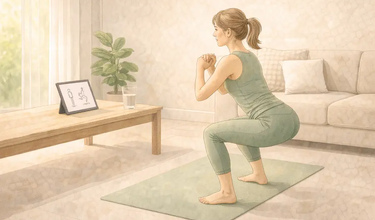
When I first started training, I didn’t need motivation—I needed clarity. This 7-day reset isn't about intensity; it's about learning how to move corr...
 7-Day Programs
March 13, 2026
A Simple 7 Day Beginner Strength Plan to Learn the Basics
Table of Contents
Starting strength training can feel confusing at first. There are dozens of exercises, endless workout programs, and a lot of conflicting advice online.
For beginners, the goal is not to follow a complicated routine. The goal is to learn the basic movements safely and build confidence.
This simple seven-day structure is designed to introduce the main strength movements while allowing enough recovery time between sessions. The focus is on learning proper technique rather than pushing intensity.
Think of this week as a practice week for your body.
Why Beginners Should Focus on Movement Quality
During the first weeks of training, your body is still learning how to perform exercises correctly.
Strength improvements early on mostly come from better coordination between muscles and the nervous system. Practicing movements slowly and with control helps develop this coordination.
Rushing through exercises or lifting too much weight too soon can make technique harder to learn.
A slower approach at the beginning often leads to faster progress later.
Day 1 Full Body Basics
Start with a short full-body session.
Focus on learning simple movements:
Squats – 10 repetitions
Push-ups – 8 repetitions
Glute bridges – 12 repetitions
Bent-over rows – 10 repetitions
Plank – 20 seconds
Perform two sets of each exercise with short rest periods. Move slowly and concentrate on good posture.
Day 2 Active Recovery
Instead of another strength workout, focus on gentle movement.
A 20- to 30-minute walk is enough. Light mobility exercises or stretching can also help reduce muscle stiffness from the previous day.
Active recovery helps the body adapt while keeping you moving.
Day 3 Strength Practice
Repeat the same exercises from Day 1.
This time the movements will already feel more familiar. Coordination improves quickly when exercises are repeated.
If the exercises feel manageable, add one extra repetition to each set.
Day 4 Rest and Recovery
Allow the body to recover.
Muscles adapt and grow stronger during rest periods, not only during workouts. Sleep, hydration, and balanced meals all support recovery.
Taking rest days seriously helps prevent burnout during the first weeks of training.
Day 5 Lower Body Focus
On this day, emphasize the lower body.
Squats – 12 repetitions
Reverse lunges – 10 repetitions each leg
Glute bridges – 15 repetitions
Calf raises – 12 repetitions
Side plank – 20 seconds
Perform two or three sets depending on energy levels.
Day 6 Light Activity
Choose an activity that feels enjoyable and easy to maintain.
Walking, cycling, or light stretching all work well. The goal is simply to keep the body active without creating additional fatigue.
Many beginners benefit from adding more daily movement rather than increasing workout intensity.
Day 7 Upper Body Focus
Finish the week with a simple upper body session.
Push-ups – 8 to 10 repetitions
Bent-over rows – 10 to 12 repetitions
Shoulder presses – 10 repetitions
Plank – 25 seconds
Move slowly and concentrate on good technique. The goal is not exhaustion but practice.
What Happens After the First Week
This seven-day plan is designed as an introduction rather than a long-term program.
After the first week, most beginners can move into a routine that includes two to three strength sessions per week combined with regular daily movement.
Repeating these same exercises for several weeks helps build strength and confidence before adding more complex movements.
Progress comes from consistency, not from constantly changing workouts.
The SashaHealthy Perspective
The best beginner program is the one that makes strength training feel approachable rather than intimidating.
Learning a few basic movements, practicing them regularly, and allowing time for recovery creates a strong foundation. Over time, these simple workouts build strength, confidence, and a healthier relationship with exercise.
Fitness does not need to be complicated to be effective.
Science-backed. Human-proven.