
 Nutrition
  Diet Plans
  Fitness
  Psychology
  Science Explained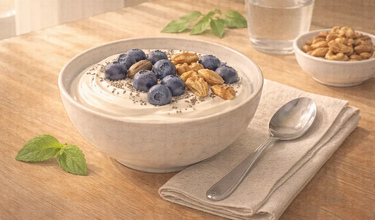
If you feel hungry again one hour after breakfast, it’s usually not your fault—it's the math. Most typical breakfasts are a roller coaster of fast car...
 High-protein
January 26, 2026
Why Bother With Protein At All?
Table of Contents
Quick, non-textbook version:
-
Keeps you full.
Protein slows digestion and switches on satiety signals in your brain. That “I’m still hungry after a full plate” feeling? Usually a low-protein plate. -
Protects muscle.
When you’re losing weight, your body is totally fine with burning muscle and fat. Protein + strength training tells it: “Hands off the muscle, please.” -
Smooths out blood sugar.
Eating carbs with some protein stops the rollercoaster (spike → crash → cravings).
So no, protein isn’t just for gym bros in stringer vests. It’s for women who want:
-
less grazing,
-
more stable energy,
-
and a body that can carry its own suitcase.
What “High-Protein” Means Here
This is not:
-
all meat, no plants;
-
drinking five shakes a day;
-
hitting some perfect macro target or you “failed”.
Here’s how I define it:
Every main meal has a clear, visible source of protein and the whole plate leans higher in protein compared to a typical “pasta + air” lunch.
Sources can be:
-
Animal: eggs, Greek yogurt, cottage cheese, cheese, fish, seafood, chicken, turkey, lean beef.
-
Plant: lentils, beans, chickpeas, tofu, tempeh, edamame, soy mince, high-protein yogurts and milks.
You do not have to eat meat to eat high-protein.
You do not have to be vegetarian to enjoy plant protein.
We’re adults. We get to mix.
The High-Protein Recipe Formula
Most high-protein recipes on SashaHealthy follow a simple structure:
-
Protein Anchor (20–30 g per meal-ish)
This is the star. If you removed it, the meal wouldn’t make sense. -
Plant Volume
Vegetables and/or fruit for fibre, vitamins, and actual chewing. -
Smart Carbs
Whole grains, potatoes, bread, pasta – yes, they stay. -
Fat for Satisfaction
Olive oil, avocado, nuts, seeds, cheese. Enough for taste, not enough to drown the plate.
If a recipe hits all four, you’re in high-protein territory without having to scan labels like a hungry robot.
5 High-Protein Recipe Ideas (Without Chicken Breast Sadness)
These are ideas, not strict meal plans. Swap ingredients, repeat favourites, ignore anything you hate.
1. Creamy Greek Yogurt Breakfast Bowl
Why I love it:
Tastes like dessert, behaves like a balanced breakfast.
How to build it:
-
1 serving Greek yogurt (or high-protein plant yogurt)
-
A handful of berries or sliced fruit
-
2–3 tbsp oats or muesli
-
1 tbsp nuts or seeds
-
Optional: drizzle of honey or a square of dark chocolate chopped on top
High protein from the yogurt + nuts, steady carbs from oats, fibre from fruit.
You can prep toppings in jars for the next few days so morning-you just assembles.
2. Tofu & Veggie Scramble Wrap
For the “I want savoury, not sweet” mornings or quick lunches.
How to build it:
-
Crumble firm tofu into a pan with a little oil
-
Add turmeric, salt, pepper, garlic, maybe smoked paprika
-
Toss in chopped spinach, tomatoes, peppers, mushrooms
-
Cook until warm and golden in places
-
Serve in a wholegrain tortilla or on toast, maybe with a spoon of salsa or avocado
Result: looks like scrambled eggs, packs serious plant protein, ridiculously flexible.
You can use eggs instead of tofu or do half-half.
3. Lentil Bolognese Pasta
Comfort food but with muscle support built in.
How to build it:
-
Cook red or brown lentils until tender
-
In another pan, sauté onion, carrot, celery, garlic
-
Add a jar of crushed tomatoes, herbs (basil, oregano), salt, pepper
-
Stir in lentils and simmer until thick and saucy
-
Serve over wholewheat pasta or with zucchini noodles + some pasta mixed in
-
Finish with a sprinkle of Parmesan or nutritional yeast
You get protein from lentils + cheese, fibre from lentils + veg + wholegrain pasta.
Portion looks like a “real” bowl of pasta, not three sad penne in a sea of air.
4. Chickpea & Feta Power Salad
For days when you want a salad that actually fills you up.
How to build it:
-
Base of mixed greens
-
Add chopped cucumber, tomato, bell pepper, red onion
-
½–1 can chickpeas, rinsed
-
A small handful of feta or another salty cheese
-
Dressing: olive oil + lemon juice + salt + pepper + dried oregano
Protein from chickpeas + feta, crunch from veg, fats from olive oil + cheese.
Eat with a slice of sourdough if you want more carbs, or as is for a lighter lunch.
5. Sheet-Pan Tempeh (or Chicken) with Roasted Veg
The lazy high-protein dinner. One tray, zero drama.
How to build it:
-
Toss chopped vegetables (broccoli, carrots, zucchini, onions, peppers, potatoes) with olive oil, salt, pepper, herbs
-
Spread on a baking tray
-
Add slices of tempeh (marinated in soy sauce, garlic, a little honey)
– or use chicken pieces if you eat meat -
Roast until veggies are tender and edges are caramelised, protein is cooked through
Serve in a bowl, maybe over a small scoop of rice or quinoa.
Leftovers become tomorrow’s lunch. That’s high-protein and high-sanity.
How to Use High-Protein Recipes Without Going Obsessed
A few ground rules so this doesn’t turn into another diet cage:
-
You don’t need to hit perfect numbers.
Aim for “a good protein source each meal”, not macro Tetris. -
You don’t have to make every recipe high-protein.
Start with 1–2 meals a day and see how your hunger and cravings change. -
You still get carbs and fats.
Protein isn’t a replacement; it’s a missing piece you’re adding back in.
Notice how you feel after a week of:
-
more stable energy,
-
less “I could eat the entire cupboard at 4 p.m.”,
-
and a quiet confidence that your meals are actually working for you.
That’s the point.
High-protein, SashaHealthy edition:
Science-backed. Human-proven. Zero dry chicken breast required.
Leave a Comment
Comments:
Related Articles
 High-protein
4 March
High-Protein Lunches That Keep You Full All Afternoon
If you're constantly fighting afternoon cravings, the problem isn't your willpower—it's your lunch. A meal low in protein leads to blood sugar crashes...