
 Nutrition
  Diet Plans
  Fitness
  Psychology
  Science Explained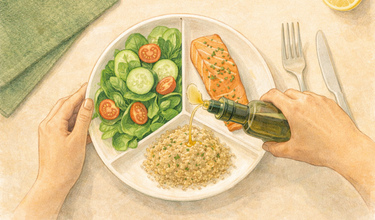
Low-Calorie here doesn’t mean tiny sad salads – it means smarter, lighter plates that keep the flavour, the joy and your goals all at the same table.
 Low-calorie
January 20, 2026
5 Low-Calorie Dinners That Actually Fill You Up
Table of Contents
Here’s a confession.
When I first heard “Low-Calorie dinner”, I pictured one thing:
a tiny, cold salad and a long, angry evening.
If the plate looked fun, I assumed it was “bad”.
If it looked sad, I assumed it was “healthy”.
Let’s retire that logic.
Low-Calorie in the SashaHealthy world doesn’t mean punishment.
It means smart plates: more plants, clear protein, sane fats, and carbs that actually stay in the picture.
Below are five Low-Calorie dinner ideas that:
- keep you full,
- don’t wreck your day’s energy,
- and don’t make you feel like you’re “on a diet”.
Use them as templates, not strict rules. Swap veggies. Change the spices. Your kitchen, your rules.
1. One-Pot Lentil & Veggie Soup
This is the “I want something cozy, but I also want my jeans to fit” soup.
What it is
A big pot of brown or green lentils simmered with onion, carrots, potatoes and leafy greens (like kale or spinach), in a simple herby tomato broth.
It’s thick, hearty and eats like a meal, not a starter.
Why it works as Low-Calorie
- Lentils are rich in protein and fiber, which slows digestion and keeps you full longer.
- The base is broth and vegetables, so you get a large, satisfying volume for relatively few calories.
- A little olive oil for flavour – not half a bottle.
How to build it
- Protein: 1–1.5 cups dry lentils for the whole pot
- Veggies: diced onion, carrots, potatoes + a big handful of kale or spinach at the end
- Liquid: vegetable broth + a can of tomatoes or tomato passata
- Flavour: garlic, thyme, cumin, black pepper, bay leaf if you’re feeling fancy
Simmer everything until the lentils and potatoes are soft, then stir in the greens right at the end so they just wilt.
Make it yours
- Need more calories? Add a slice of sourdough with butter.
- Need less? Skip the bread and keep the bowl big.
- Hate kale? Use spinach or frozen mixed veggies. The soup won’t be offended.
2. Mediterranean Chickpea Crunch Salad
Think of this as a salad that eats like a bowl. It has chew, crunch, salt, and acid. Not a single sad leaf in sight.
What it is
Chickpeas tossed with crisp cucumber, juicy tomatoes, bell pepper, red onion, herbs and a lemon–olive oil dressing. Optional feta on top if you do dairy.
Why it works as Low-Calorie
- Chickpeas bring protein and fiber, so it’s not just “vegetables with feelings”.
- Half your bowl is low-energy, high-volume vegetables.
- Dressing uses a modest amount of olive oil, enough for flavour, not enough to turn it into an oil salad.
How to build it
- Base: 1 can of chickpeas (rinsed)
- Veggies: chopped cucumber, tomato, bell pepper, red onion
- Extras: parsley, olives, a small handful of feta (optional)
- Dressing: lemon juice, olive oil, salt, pepper, maybe a little dried oregano
Toss everything together right before eating so the veggies stay crisp.
Make it yours
- Extra hungry? Serve it with a piece of warm pita.
- Dairy-free? Skip the feta and add more olives or a spoon of hummus.
- Make-ahead tip: keep the dressing separate if you’re storing it in the fridge for a few days.
3. Quick Veggie Stir-Fry Bowl
This is your “I have veggies dying in the fridge and 15 minutes” rescue mission.
What it is
A fast stir-fry of mixed vegetables (fresh or frozen) cooked in a light soy–garlic–ginger sauce. Add tofu, tempeh or edamame if you want extra protein.
Why it works as Low-Calorie
- The pan is mostly vegetables → high volume, low energy.
- The sauce is flavour-heavy but portion-controlled, not a thick sugary glaze.
- A small scoop of rice or noodles turns it into a full meal without blowing your calories.
How to build it
- Veggies: broccoli, bell pepper, snap peas, carrots, mushrooms, whatever you’ve got
- Protein: firm tofu cubes, tempeh, or a handful of shelled edamame
- Sauce: a simple mix of soy sauce or tamari, a splash of rice vinegar, a tiny bit of honey or sugar, garlic, ginger, and a teaspoon of cornstarch to thicken
Stir-fry the veg in a small amount of oil, add protein, pour over the sauce and cook until it lightly thickens and coats everything.
Make it yours
- Serve over ½–1 cup of cooked rice or noodles, depending on your hunger and activity level.
- Want it lighter? Use cauliflower rice or skip the grains and bump up the tofu.
- Spice lover? Add chilli flakes or sriracha at the end.
4. Sheet-Pan Salmon & Vegetables
Zero drama, zero dishes. One pan, into the oven, done.
What it is
Salmon fillets roasted on a tray with a mix of vegetables – think potatoes, carrots, green beans, zucchini, broccoli or whatever’s in season – plus a simple lemon–garlic–olive oil coating.
Why it works as Low-Calorie
- Salmon is high in protein and omega-3 fats, which help with fullness and heart health.
- Most of the tray is vegetables, so your plate is visually full without calorie overload.
- Baking uses less oil than pan-frying, and any fat you add is easy to track.
How to build it
- Veggies: cut into similar-sized pieces so they cook evenly
- Toss them with a bit of olive oil, salt, pepper and maybe some dried herbs.
- Roast until they’re nearly done, then add salmon fillets on top, brushed with lemon, garlic and a touch of oil.
- Finish roasting until the salmon flakes easily.
Make it yours
- Need more carbs? Add extra potatoes or serve with a small side of rice.
- Don’t eat fish? Swap salmon for marinated tofu steaks and follow the same idea.
- Lazy day version: use pre-cut veggie mixes from the store. Zero shame.
5. Black Bean Stuffed Sweet Potatoes
The “I want comfort food but I also want to sleep well tonight” option.
What it is
Whole sweet potatoes baked until soft, split open and stuffed with a warm mixture of black beans, sautéed onions and peppers, plus toppings like salsa, tomatoes, herbs, a bit of avocado and yogurt or a light tahini sauce.
Why it works as Low-Calorie
- Sweet potato + black beans = serious fiber and slow carbs.
- The bulk of the meal is potato + beans + veggies, not cheese and oil.
- You control the calorie-dense bits (avocado, cheese, sauces) by spoon, not by guilt.
How to build it
- Base: bake sweet potatoes until they’re soft inside
- Filling: black beans warmed with sautéed onion, garlic, bell pepper, spices (cumin, paprika, chilli)
- Toppings: salsa, chopped tomatoes, cilantro, a spoon of Greek yogurt or tahini, thin avocado slices if you want them
Stuff, top, eat with a fork and a small smile.
Make it yours
- Want more protein? Add extra beans or a little grated cheese on top.
- Want fewer calories? Go heavier on salsa and herbs, lighter on avocado and cheese.
- Meal prep win: bake a tray of sweet potatoes once and keep them in the fridge for quick stuffing all week.
How to Use These 5 Recipes Without Becoming a Food Robot
You don’t have to follow them perfectly. Please don’t.
Here’s how I’d actually use them in real life:
- Pick 2–3 favourites and repeat them.
- Use them as your “default Low-Calorie dinners” on busy weekdays.
- On days when you’re hungrier, just increase the carbs or fats a bit: an extra slice of bread, more rice, a bit more cheese.
- On days when you want to be gentler with calories, lean more on vegetables and protein and go lighter on the “extras”.
The whole point is flexibility.
Your appetite changes. Your cycle changes. Your life changes. Your dinner can adapt.
Low-Calorie is not a rule.
It’s just one of the tools in your toolbox.
Leave a Comment
Comments:
Related Articles
 Low-calorie
22 February
Low-Calorie Snacks That Don’t Trigger Overeating
Most "low-calorie" snacks are a trap—they spike your hunger instead of controlling it. We’re breaking down the science of the "satiety anchor" and why...
 Low-calorie
3 March
Low-Calorie Lunches That Still Feel Like Real Meals
Many "diet lunches" leave you starving by 3 PM. That’s because they lack the key components of satiety. We’re sharing 5 low-calorie lunch ideas that p...