
 Nutrition
  Diet Plans
  Fitness
  Psychology
  Science Explained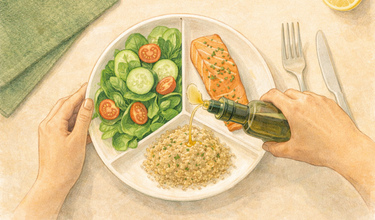
Low-Calorie here doesn’t mean tiny sad salads – it means smarter, lighter plates that keep the flavour, the joy and your goals all at the same table.
 Low-calorie
February 22, 2026
Low-Calorie Snacks That Don’t Trigger Overeating
Table of Contents
Snacks are not the problem.
Unstructured snacks are.
Many people trying to lose weight either:
-
avoid snacks completely
or -
eat snacks that spike hunger instead of controlling it.
A low-calorie snack should not just be “small.”
It should be stabilizing.
The goal is to reduce hunger and prevent overeating later — not create a cycle of restriction and rebound.
Here’s what actually works.
Why Some Low-Calorie Snacks Make You Hungrier
A snack that is:
-
mostly sugar
-
low in protein
-
low in fiber
often increases appetite instead of reducing it.
Example:
-
plain fruit juice
-
rice cakes
-
a handful of crackers
These digest quickly.
Blood sugar rises.
Then drops.
Hunger returns stronger.
Low calorie does not automatically mean helpful.
The Structure of a Smart Low-Calorie Snack
Research and satiety studies suggest a stabilizing snack includes:
-
10–20 g protein
-
fiber
-
some fat
Total calories usually fall between 100–250 kcal depending on body size and total intake.
Protein is the anchor.
Without it, satiety is short-lived.
Snacks That Support Fat Loss Instead of Sabotaging It
1. Greek Yogurt with Berries
Approx. 150–200 kcal
High in protein
Moderate fiber
Slow digestion and high satiety.
2. Cottage Cheese with Cucumber or Tomatoes
Approx. 120–180 kcal
High protein
Low energy density
Adds volume without excessive calories.
3. Apple with Almond Butter
Approx. 180–220 kcal
Fiber + healthy fat
The fat slows digestion. The fiber increases fullness.
Portion control matters here.
4. Boiled Eggs
Approx. 140 kcal for two
High-quality protein and fat.
Simple and portable.
5. Protein Smoothie (Small Version)
Approx. 150–200 kcal
Half scoop protein powder + water or almond milk.
Avoid turning it into a full meal unless intended.
6. Hummus with Vegetables
Approx. 150–200 kcal
Chickpeas provide fiber and moderate protein.
Pair with carrots, cucumbers, or bell peppers.
When Snacks Become a Problem
Snacking becomes counterproductive when it is:
-
emotional
-
constant grazing
-
used to delay real meals
-
unmeasured and mindless
Sometimes the solution is not a better snack.
It is a larger, more balanced main meal.
Chronic undereating leads to reactive snacking.
Should You Eliminate Snacks Completely
Not necessarily.
Some individuals prefer:
-
three structured meals
Others function better with: -
three meals plus one planned snack
The key is planning.
Unplanned snacks often push total intake above target.
Planned snacks can prevent overeating at dinner.
The SashaHealthy Perspective
Low-calorie does not mean tiny.
It means efficient.
A snack should:
-
reduce hunger
-
support protein intake
-
fit into your calorie budget
-
prevent impulsive eating
If a snack makes you hungrier than before, it is not working — regardless of calories.
Structure beats restriction.
Science-backed. Human-proven.
Leave a Comment
Comments:
Related Articles
 Low-calorie
20 January
5 Low-Calorie Dinners That Actually Fill You Up
Five Low-Calorie dinners that actually feel like real food, not punishment: hearty lentil soup, crunchy chickpea salad, fast veggie stir-fry, easy she...
 Low-calorie
3 March
Low-Calorie Lunches That Still Feel Like Real Meals
Many "diet lunches" leave you starving by 3 PM. That’s because they lack the key components of satiety. We’re sharing 5 low-calorie lunch ideas that p...