
 Nutrition
  Diet Plans
  Fitness
  Psychology
  Science Explained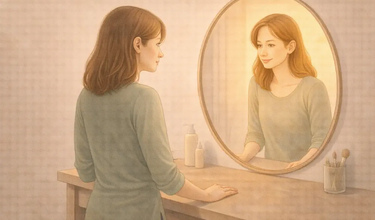
You’ve been consistent, your clothes fit better, the scale is moving—and then you suddenly drift. Why? Self-sabotage in the middle of progress is rare...
January 28, 2026
Motivation And Habits For Real Life Change
Table of Contents
- Motivation Is A Spark Not A Fuel Tank
- Habits Are Just Repeated Decisions On Autopilot
- Why Big Overhauls Fail And Tiny Habits Work
- The Three Levers Of Real Change
- Identity First Goals Instead Of Outcome Only Goals
- What To Do When Motivation Disappears
- A Simple Week Of Motivation Proof Habits
- The SashaHealthy Bottom Line
For years I thought my problem was motivation.
I’d wake up on Monday full of plans.
New diet. New workout routine. New life.
By Thursday I was on the sofa with snacks thinking,
“Why can’t I just stay motivated like normal people?”
Here’s the uncomfortable truth I eventually had to swallow:
My problem wasn’t motivation. My problem was trying to build a new life on top of my old habits.
If you also feel like a “fails every Monday” person, this is for you.
Let’s talk about how motivation actually works, why it disappears so fast, and how to build habits that survive bad days, busy weeks and low mood.
Motivation Is A Spark Not A Fuel Tank
Motivation feels amazing.
You read a story, see a before–after, listen to a podcast… and suddenly you want to change everything:
-
start lifting
-
cook all meals from scratch
-
sleep eight hours
-
meditate, drink two litres of water, walk 10 000 steps
In that moment it all feels possible.
Then real life shows up.
Work. Kids. Stress. Your period. A cold. Traffic. A fight with your partner.
Motivation drops. And because everything depended on that feeling, the whole plan falls apart.
The problem is not that you “lost motivation”. The problem is that you expected motivation to carry the whole load.
Motivation is allowed to start the fire.
Habits are what keep it burning when you’re tired and grumpy.
Habits Are Just Repeated Decisions On Autopilot
In very simple terms:
A habit is something you’ve done so many times that your brain runs it automatically.
You already have habits:
-
how you brush your teeth
-
how you make your coffee
-
which side of the bed you roll out of
-
what you reach for when you’re stressed
None of these require motivation. They just… happen.
Our goal is to move the important health behaviours into that same “no drama” zone.
Not perfect.
Not aesthetic.
Just reliable.
Why Big Overhauls Fail And Tiny Habits Work
Diet culture loves overhauls.
“From tomorrow I will…”
-
cut sugar
-
train six times a week
-
stop eating after 6 p.m.
-
cook every meal at home
Looks powerful. Feels powerful.
Lasts… about five days.
Your brain hates radical change. It reads it as danger.
That’s why small, almost boring habits are secretly revolutionary.
-
7 minute walk after lunch
-
one extra glass of water when you make coffee
-
5 squats every time you go to the bathroom
-
putting a piece of fruit on your work desk each morning
On their own, they look like nothing.
Repeated for three months, they change your default.
The Three Levers Of Real Change
When I work on habits, I think in three levers:
-
Make it easier
-
Make it smaller
-
Make it more obvious
Motivation sits in the background, but these three do the heavy lifting.
1. Make it easier
Ask a brutally honest question:
“How hard is this habit on a bad day?”
If your plan requires:
-
a perfectly stocked fridge
-
zero overtime at work
-
high energy every evening
…it will break the first week you’re human.
Examples of “easier”:
-
Home workout instead of a 40 minute commute to the gym
-
Pre washed salad + frozen veg instead of elaborate recipes
-
Buying precut fruit instead of promising you’ll cut it every day (and then not)
If something is easier, you need less motivation to do it. That’s the point.
2. Make it smaller
We’re taught that small equals weak. In habit land, small equals repeatable.
Instead of:
“I will walk 10 000 steps every day”
try:
“After dinner I will walk around the block once.”
If you feel good and keep walking, great.
If you don’t, you still did your habit.
The brain gets a win. The identity “I am someone who walks after dinner” becomes real. You can scale later.
3. Make it more obvious
Your environment is louder than your intentions.
-
If your running shoes live in a box under the bed, guess how often you run.
-
If your phone is the first thing you see in the morning, guess what you reach for.
-
If sweets stare at you from the counter, guess what you grab when you’re tired.
Tiny environment shifts do more for habits than another inspirational quote.
Examples:
-
Put your workout mat where you literally have to step over it.
-
Keep a water bottle on your desk in your line of sight.
-
Move snacks out of immediate reach and put fruit or nuts in front instead.
-
Lay out gym clothes the night before so Morning You doesn’t negotiate.
You’re not trying to become a more disciplined person.
You’re trying to become a person with a smarter environment.
Identity First Goals Instead Of Outcome Only Goals
Diet culture:
“I want to lose 10 kg.”
SashaHealthy version:
“I want to become a person who:
-
walks most days
-
eats regular meals
-
lifts something heavy twice a week
-
can trust herself with food”
The number on the scale is an outcome.
Habits are evidence of a new identity.
Ask yourself:
“Who do I want to be six months from now?”
Then design tiny habits that prove that identity in daily life.
For example:
-
Identity: “I am someone who takes care of my body.”
Habit: stretch for 3 minutes before bed. -
Identity: “I am someone who fuels herself, not starves herself.”
Habit: eat a real breakfast with protein 4 days a week.
Each repetition is a vote for that version of you.
You don’t need 100 percent. You just need more “yes” votes than “no” over time.
What To Do When Motivation Disappears
Spoiler
It will. For everyone.
Here’s the script I use for myself and clients:
-
Drop the drama.
Not “I ruined everything”. Just “okay, we’re in low-battery mode”. -
Shrink to the minimum version.
-
five minute walk instead of thirty
-
half workout instead of full
-
simple eggs on toast instead of planned recipe
-
-
Protect the habit shape.
Even a tiny version keeps the routine alive in your brain. -
Check the basics.
-
Are you sleeping enough
-
Are you eating enough
-
Are you drowning in stress
-
Most “motivation problems” are actually exhaustion, overwhelm, or too high expectations.
Fix the system, not your personality.
A Simple Week Of Motivation Proof Habits
Here’s a very gentle template you could actually live with.
Daily baseline habits:
-
One glass of water after waking up
-
One real meal with protein and plants
-
Five minutes of movement (walk, stretching, dancing)
Plus three “anchor” habits for the week:
-
Two short strength sessions (20 minutes, at home)
-
One longer walk on the weekend
-
One grocery shop where you buy at least three things your Future Self will thank you for (frozen veg, yogurt, beans, fruit)
If a week goes to hell and you only keep the daily baseline?
That’s still progress. You didn’t drop to zero. You stayed in the game.
The SashaHealthy Bottom Line
You don’t need to become a “motivated person”.
You need to become someone who:
-
designs habits that fit into a messy, real life
-
expects motivation to rise and fall
-
has tiny default actions for low energy days
-
treats every repetition as a quiet vote for the person she’s becoming
Motivation is the fireworks at the beginning.
Habits are the quiet, boring engine that gets you where you actually want to go.
Science backed. Human proven.
Zero hustle culture required.
Leave a Comment
Comments:
Table of Contents
- Motivation Is A Spark Not A Fuel Tank
- Habits Are Just Repeated Decisions On Autopilot
- Why Big Overhauls Fail And Tiny Habits Work
- The Three Levers Of Real Change
- Identity First Goals Instead Of Outcome Only Goals
- What To Do When Motivation Disappears
- A Simple Week Of Motivation Proof Habits
- The SashaHealthy Bottom Line
Related Articles

20 March
Why Motivation Alone Never Lasts
We often wait for motivation to strike before we start, but motivation was never meant to carry us to the finish line. It’s a temporary spark, not a r...