
 Nutrition
  Diet Plans
  Fitness
  Psychology
  Science Explained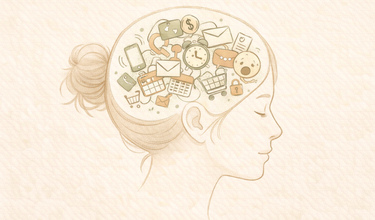
Your life feels like a browser with 47 tabs open, and the scale won't budge? Discover the science of how stress impacts your weight and learn simple, ...
March 30, 2026
How Chronic Stress Can Slow Fat Loss
Table of Contents
Many people approach weight loss by focusing on food and exercise.
They adjust their meals, increase their activity, and try to stay consistent with healthy habits. Yet sometimes progress slows down or stalls completely, even when those efforts continue.
One factor that often receives less attention is chronic stress.
Stress influences sleep, hormones, appetite, and daily behavior. When it becomes long-lasting, it can quietly interfere with the processes that support fat loss.
Understanding this relationship helps explain why weight management is not only about calories and workouts.
What Happens in the Body During Stress
When the body experiences stress, it activates a system designed to help us respond quickly to potential threats.
Part of this response involves releasing hormones such as cortisol and adrenaline. These hormones prepare the body to react by increasing alertness and mobilizing energy.
In short-term situations, this response is helpful. It allows the body to handle challenges effectively.
However, when stress remains present for long periods, the same system can begin to create problems.
Stress and Appetite
Chronic stress can influence how hungry we feel and what kinds of foods we crave.
Some people experience a reduced appetite during stressful periods, but many others notice the opposite. Stress can increase cravings for foods that are high in sugar, fat, or both.
These foods provide quick energy and can temporarily improve mood, which makes them especially appealing during emotionally demanding situations.
Over time, frequent stress-driven eating may increase overall calorie intake.
Sleep Disruption
Stress and sleep are closely connected.
When stress levels are high, falling asleep or staying asleep often becomes more difficult. Poor sleep then creates additional challenges for weight management.
Short sleep duration has been associated with changes in hormones that regulate hunger. Some studies suggest that inadequate sleep may increase appetite and reduce feelings of fullness.
When sleep quality declines, maintaining consistent eating habits becomes harder.
Stress Reduces Energy for Movement
Another indirect effect of chronic stress is reduced energy for physical activity.
When someone feels mentally exhausted, workouts may feel more difficult to start or complete. Daily movement can also decrease without being fully noticed.
Even small reductions in activity levels can influence total daily energy expenditure.
Over time, these subtle changes can slow progress.
Decision Fatigue
Stress also affects the brain’s ability to make deliberate choices.
When people are under pressure, they often experience decision fatigue. The brain begins prioritizing short-term relief over long-term goals.
In practical terms, this may lead to skipping workouts, choosing convenience foods, or abandoning routines that normally feel manageable.
This is not a sign of weak willpower. It is a normal cognitive response to prolonged stress.
Supporting Fat Loss During Stressful Periods
During stressful periods, extreme strategies rarely work well.
Instead, simple habits often provide more stability:
-
maintaining regular meals
-
protecting sleep whenever possible
-
choosing manageable forms of movement such as walking
-
reducing unnecessary pressure around perfection
Small, consistent behaviors help maintain progress even when life becomes demanding.
The SashaHealthy Perspective
Fat loss does not happen in isolation from the rest of life.
Stress influences sleep, appetite, and daily behavior in ways that can make progress feel slower or more difficult. Recognizing these connections helps shift the focus from blame to understanding.
When nutrition, movement, sleep, and stress management work together, weight management becomes far more sustainable.
Science-backed. Human-proven.